The block
Location, planted area, palm age, planting density, terrain, and road access.
Low-yield assessment
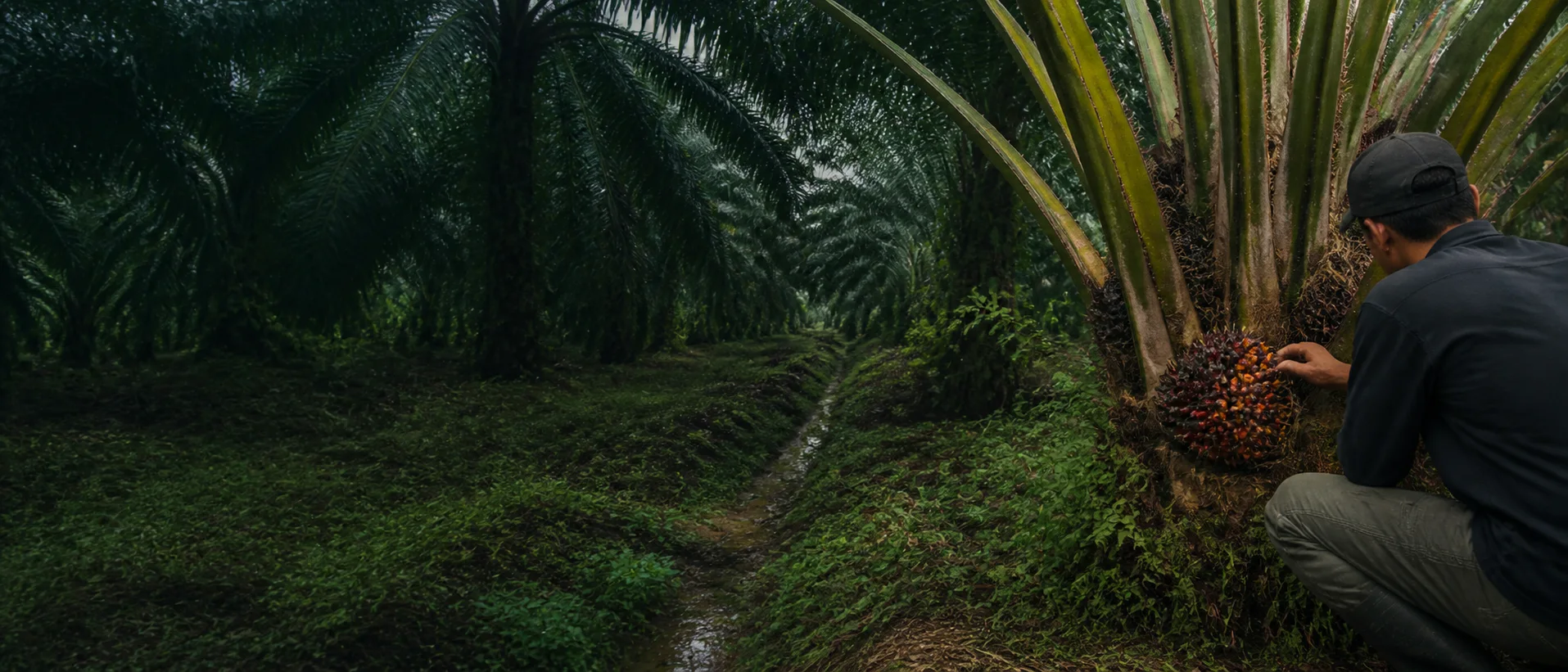
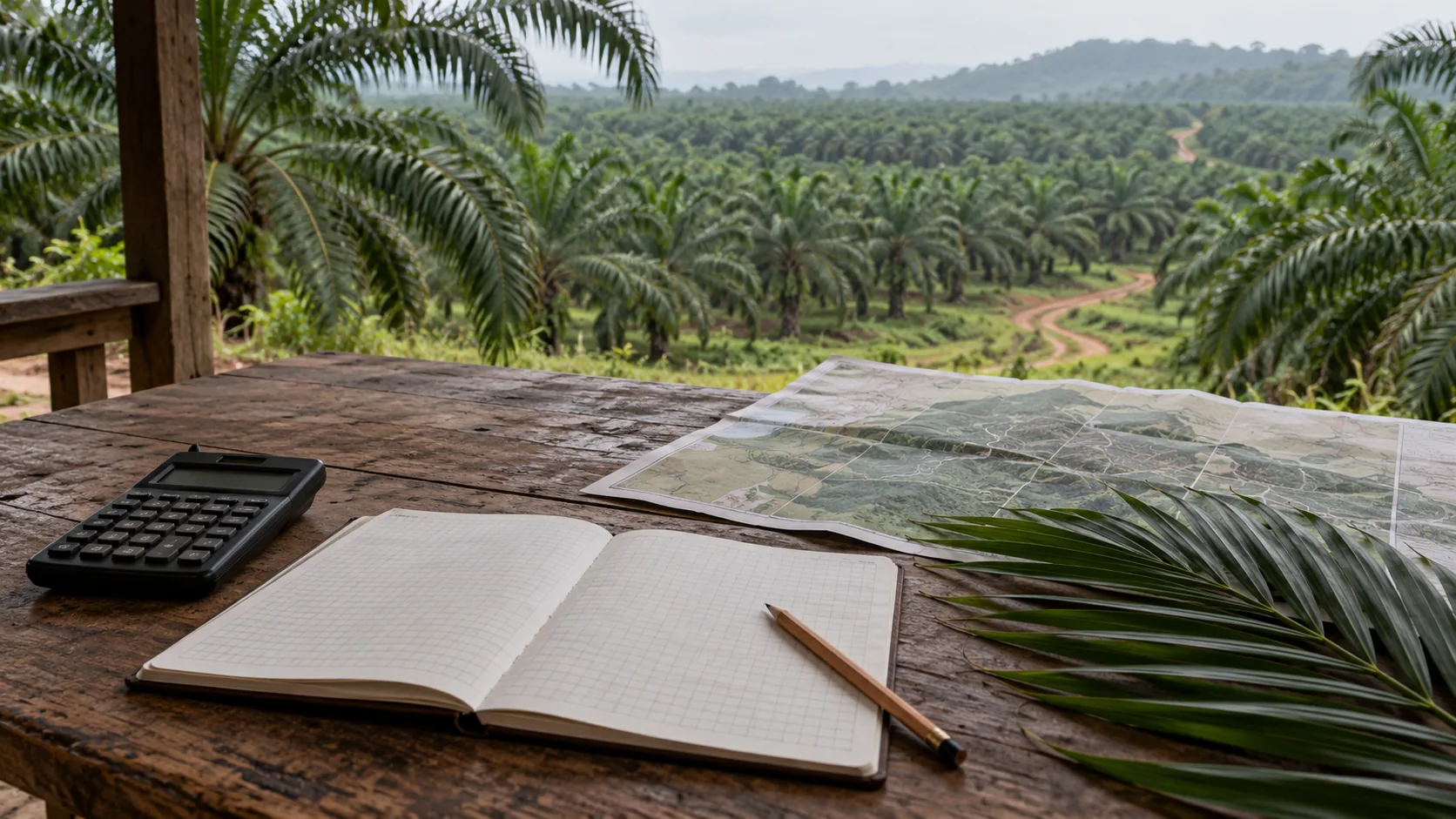
We build the baseline from your own records, walk the blocks, and name the constraint that is actually holding the crop back. Then we test one change against a control area and settle the argument in ringgit per hectare.
Assessment starts on your blocks, with your harvest books open.
What we look at
It is: where exactly are the tonnes going missing? Six sets of evidence, read together, separate the symptom you can see from the constraint underneath it.
Location, planted area, palm age, planting density, terrain, and road access.
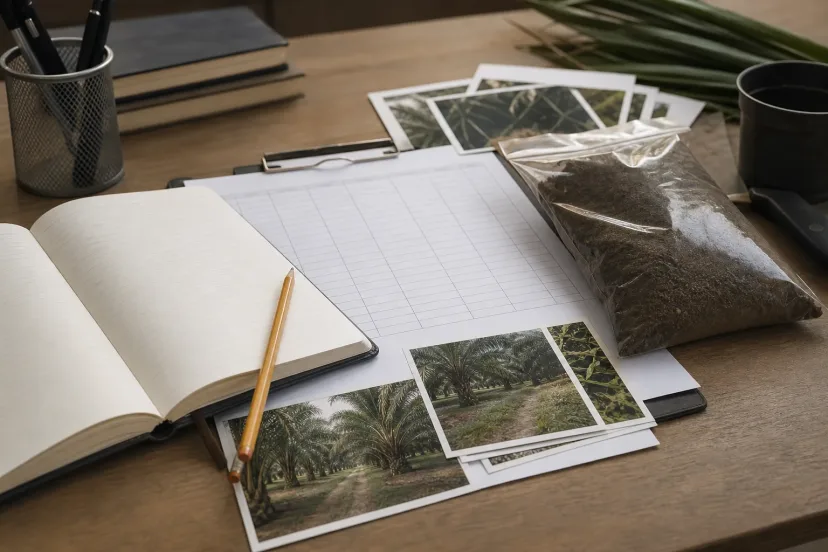
FFB yield trend, bunch count, average bunch weight, and how often each block is cut.
Soil, root activity, frond and leaf condition, water, nutrition, pest pressure, and visible stress.
Labour, harvesting rounds, transport, timing, application method, and weather.
Oil content, mill feedback, fruit ripeness at delivery, and handling between field and ramp.
Input, labour, harvesting, transport, and field-operation costs against revenue.
Plantation Performance Management
Five steps, in order. Each one has to answer its question before the next one is allowed to cost you anything.
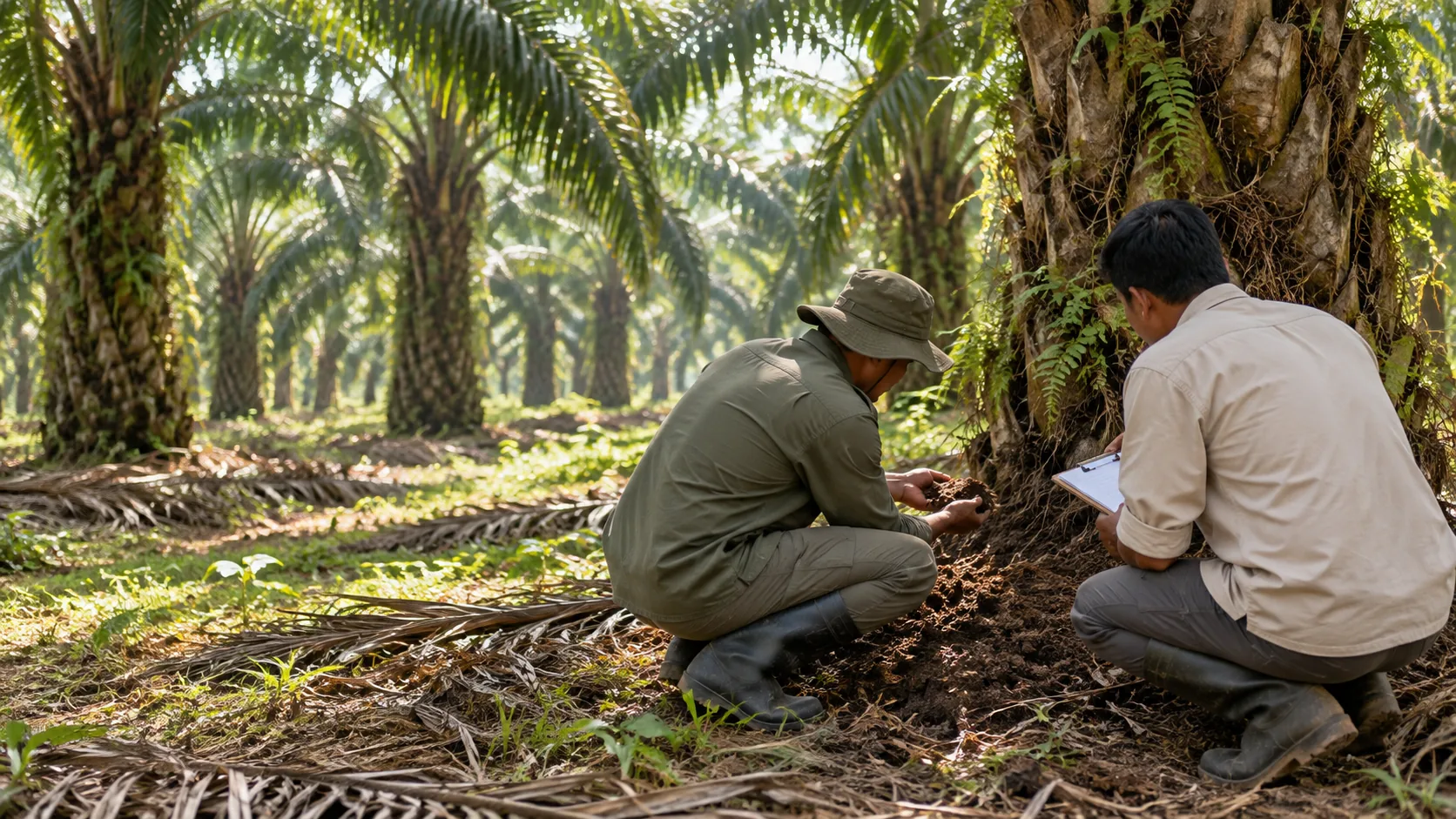
We read your records and walk the blocks: soil, roots, fronds, water, harvest rounds, mill feedback, costs.
We name the one or two constraints costing you the most, and say which ones can wait.
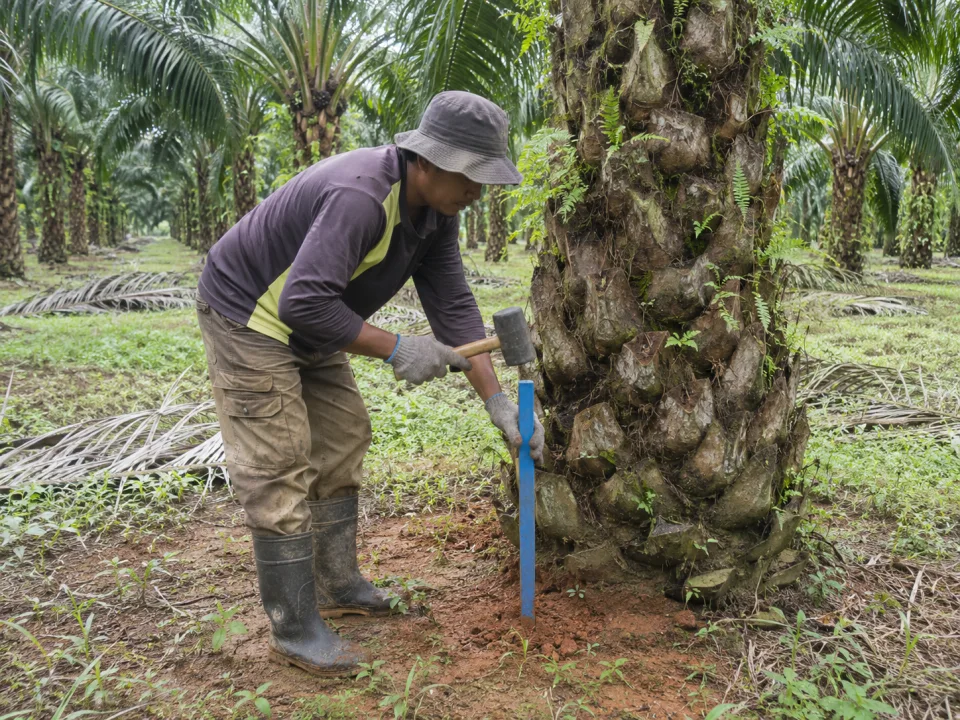
One change, in a defined area, with a control area kept untouched beside it.
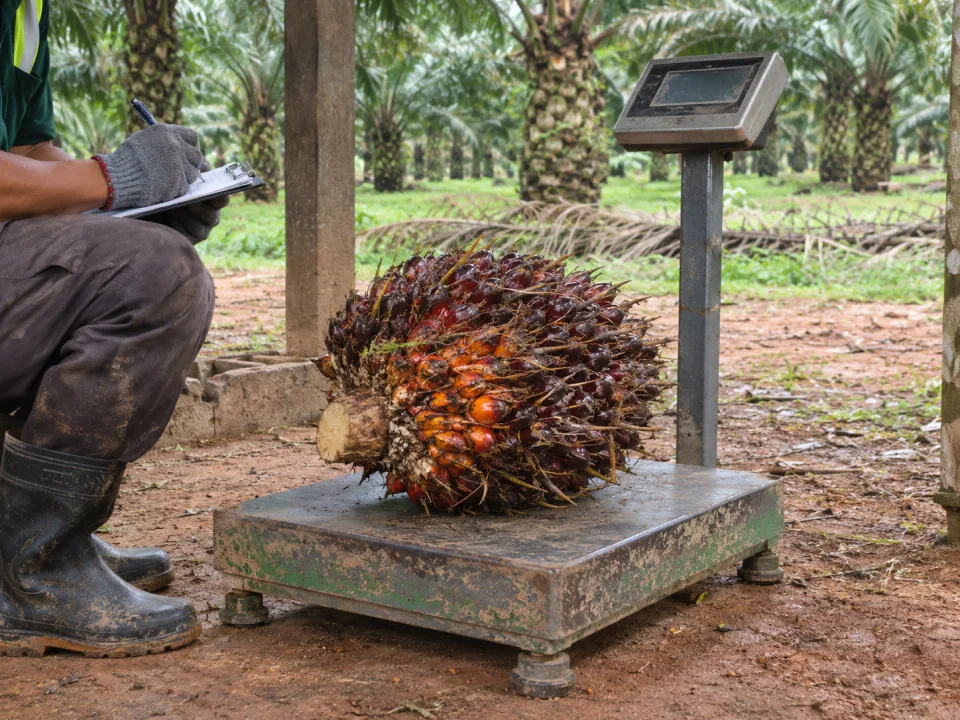
Bunch count, weight, oil quality, and cost — tracked against the control on an agreed schedule.
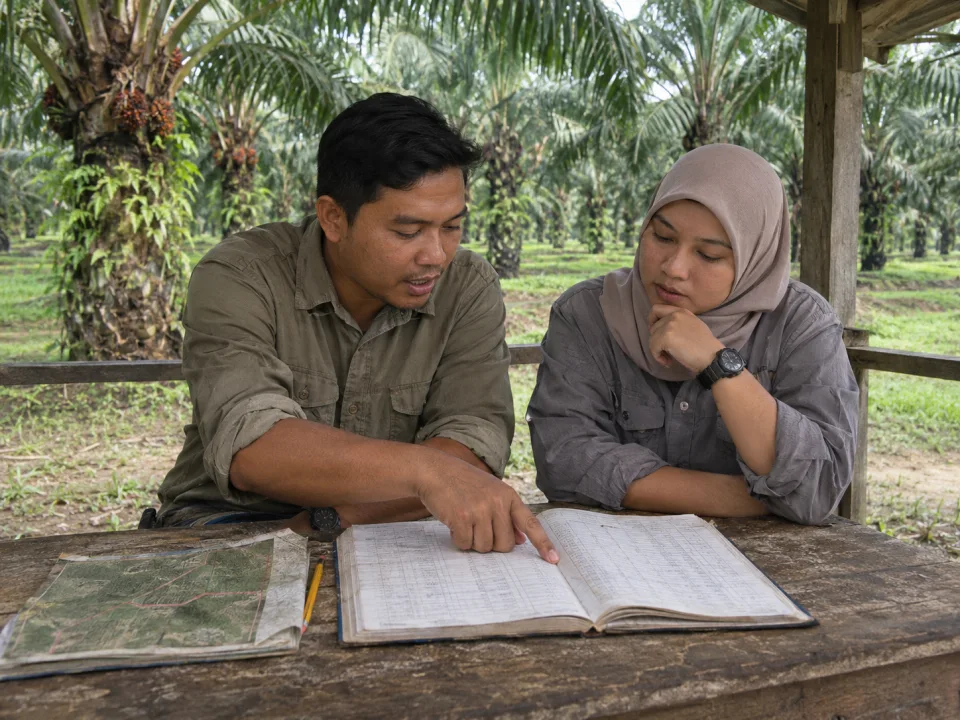
Keep it, adjust it, stop it, or roll it out. The harvest books decide, not the consultant.
Four questions, in order
Any change has to clear all four before we recommend scaling it. Most stop at the third.
Root activity, frond development, bunch development, and fruit filling — the biology behind everything else.
Bunch count, average bunch weight, FFB production, and tonnes per hectare (mt/ha).
Oil content, extraction rate (OER), free fatty acid (FFA), and bleachability (DOBI) — what turns tonnage into value.
Using your records, we check whether the trial increased profit after accounting for inputs, labour, harvesting and transport.
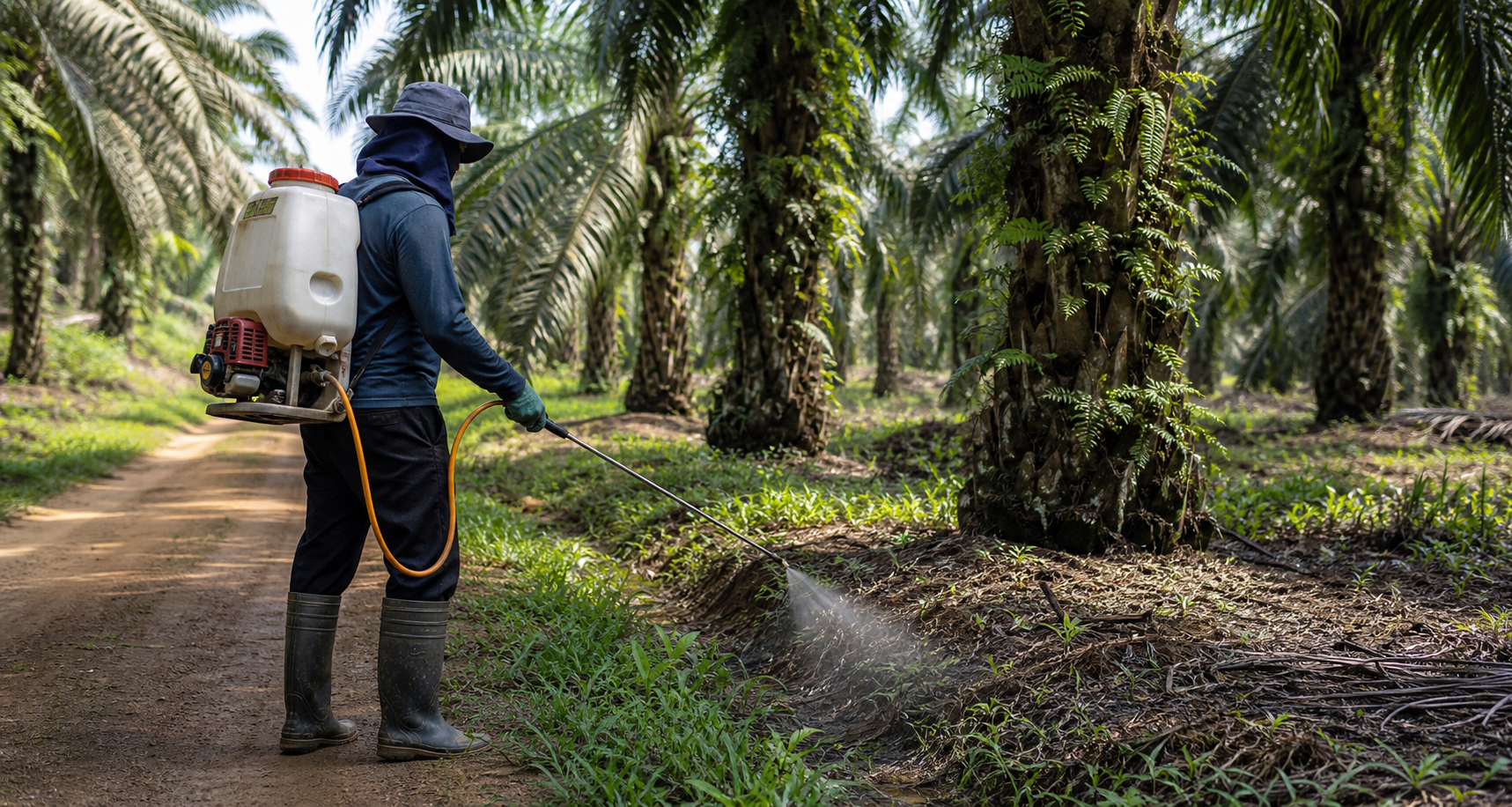
How a trial runs
A trial that changes three things at once teaches you nothing. We record the baseline, change one variable in a defined area, keep a comparable area untouched, and compare the harvest records on a set schedule.
Oil palm FAQ
We review your palms, soil, current programme and harvest records. If a crop input could address what is holding yield back, we agree with you on what to test and how to judge the result.
Liquid fertilizer helps when nutrition or uptake is limiting yield. Poor drainage, delayed harvest rounds, ageing palms, and high transport costs each need a different response. The assessment identifies the constraint to address first.
A clear problem, baseline records, two comparable areas, one defined change, agreed measures, a review period, and your permission to use the data. We help you assemble all of it.
Operational problems often surface on the first walk. Biological response takes a few months, and the economics need a full harvest cycle. Anyone promising a number by a fixed date is guessing.
We quote each assessment based on estate size, block count, and the records we need to review. You receive a quote before work starts.
Start here
Location, planted area, palm age, current FFB yield, harvest trend, current routine, and what you are seeing in the field. That is enough for a first read and a recommended next step.